Gutter Services in Jefferson City (37760)
Gutter installation, repair and drainage across Jefferson City, TN, 37760, northeast on Highway 11E.
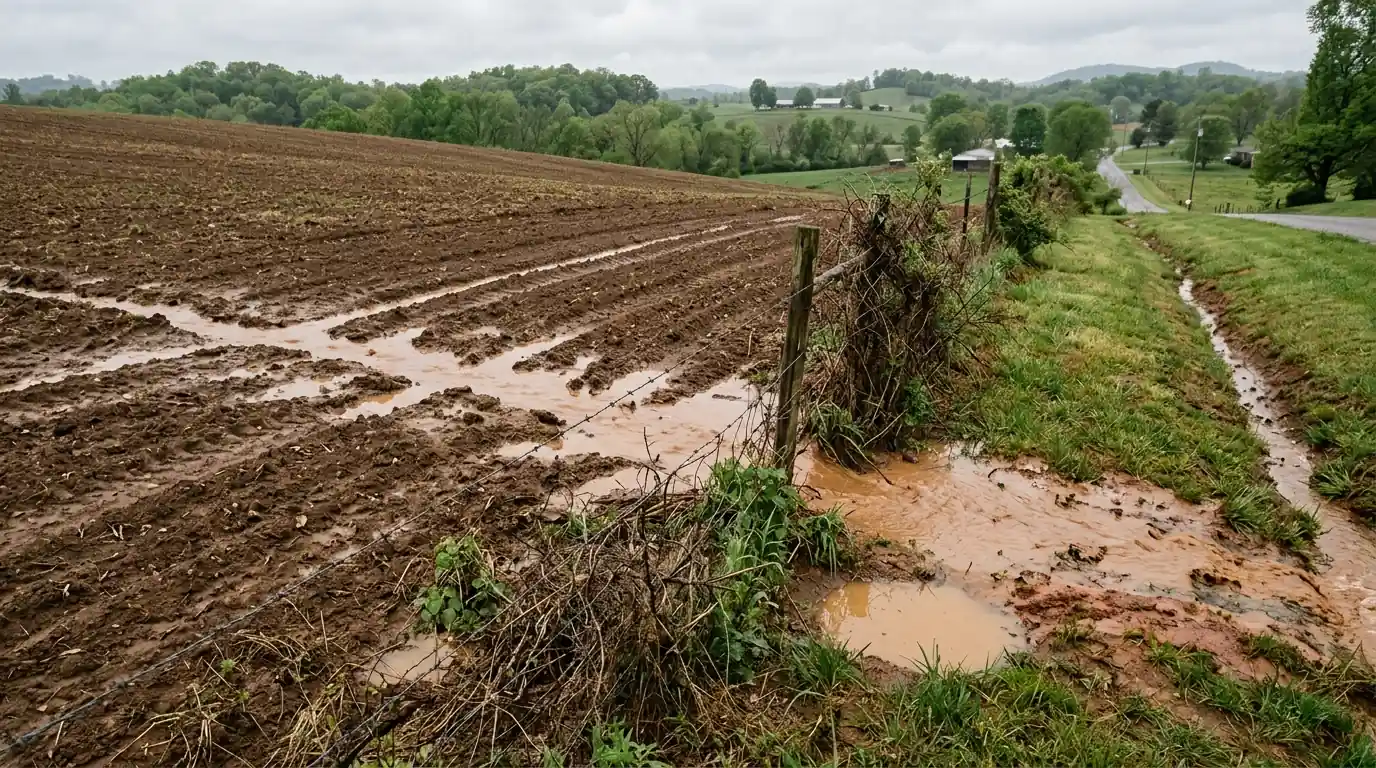
Runoff that brings the field with it
Properties around the edge of Jefferson City, TN, 37760, back onto land that is actively farmed, and surface water arriving from a worked field is not the same as surface water arriving from a lawn. It carries soil. That sediment settles wherever the flow slows, which means the drainage arrangements on these properties silt up in a way they simply do not elsewhere.
A town ringed by working farmland
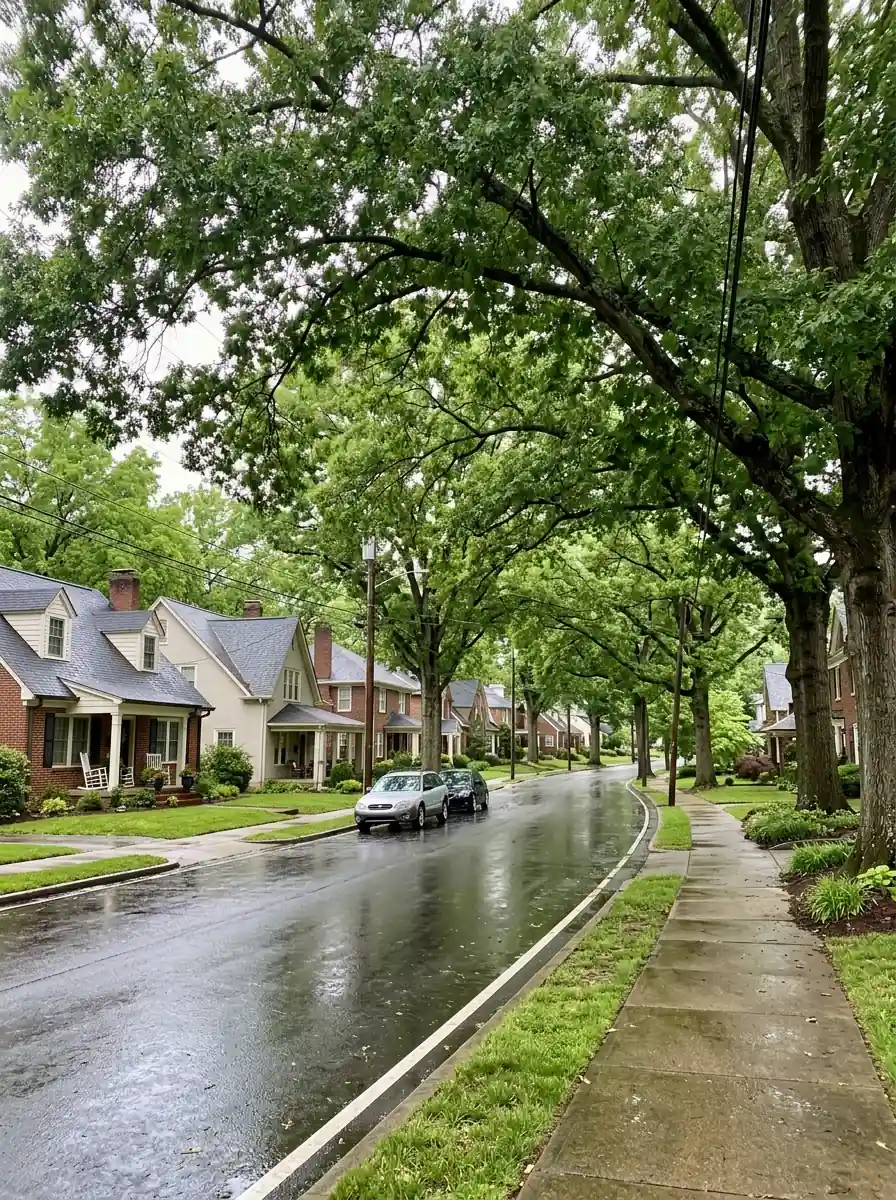
The housing is 1900s to 2000s, campus area homes and properties on the agricultural fringe.
The farmland is worked rather than pasture on much of the surrounding ground, so bare soil is exposed for part of the year.
That seasonality matters. Runoff after cultivation carries far more material than the same rainfall over established grass.
What we deal with in Jefferson City
Sediment arriving with the runoff
Worked ground sheds soil as well as water.
Drainage silting rather than blocking
Systems fill gradually from the bottom up.
Seasonal variation in the load
Bare soil periods deliver far more material.
Buried lines filling from the outlet back
Sediment settles where flow slows.
Swales and channels losing their profile
Silt reduces capacity invisibly.
Gutter work we do most in Jefferson City
Yard Drainage Correction
Shaping ground to drop sediment before it reaches anything.
French Drain Installation
Collecting drains designed with silt in mind.
Underground Downspout Drainage
Buried runs with the cleanouts silt makes essential.
Downspout Extension Installation
The surface option, which is easier to inspect and clear.
Gutter Inspection Service
Establishing how far silting has already progressed.
Gutter Cleaning Service
Clearing systems that fill from the bottom rather than the top.
Gutter Repair Service
Repairs where silt has masked another fault.
Sediment laden flow and what it does
Sediment is a genuinely different problem from debris and it is worth naming plainly. Leaves block at a restriction. Silt fills a system gradually from the lowest point upward, and it does it invisibly.
Buried lines suffer worst. A drain run carrying sediment laden water fills from the outlet backward, and by the time it shows as a symptom there is a solid length of pipe that has to be cleared rather than a single blockage.
That makes cleanouts more than a good idea here. Without access points, a silted line can only be dealt with by excavation, so on these properties they stop being optional.
Design can work with the problem rather than against it. Where flow can be slowed deliberately before it reaches a drain, sediment drops out where it can be cleared rather than where it cannot.
That is why surface solutions are often better here than buried ones, which is the reverse of the usual advice. A shaped swale silts up too, but you can see it happening and clearing it is a morning's work rather than an excavation.
Seasonality is worth understanding for scheduling. Runoff after cultivation carries far more material than the same rainfall over established cover, so inspection timed after those periods finds more than one timed at random.
Roof water is the clean part of the equation and it is worth keeping separate. Mixing your own leader discharge into a system that is dealing with field sediment gives the silt more to travel with, and separating them keeps at least one route reliable.
Campus area properties on the town side see none of this and are quoted as ordinary housing. The sediment question belongs to the agricultural fringe, and it is worth establishing which side of that line a property sits on before assuming either set of problems applies.
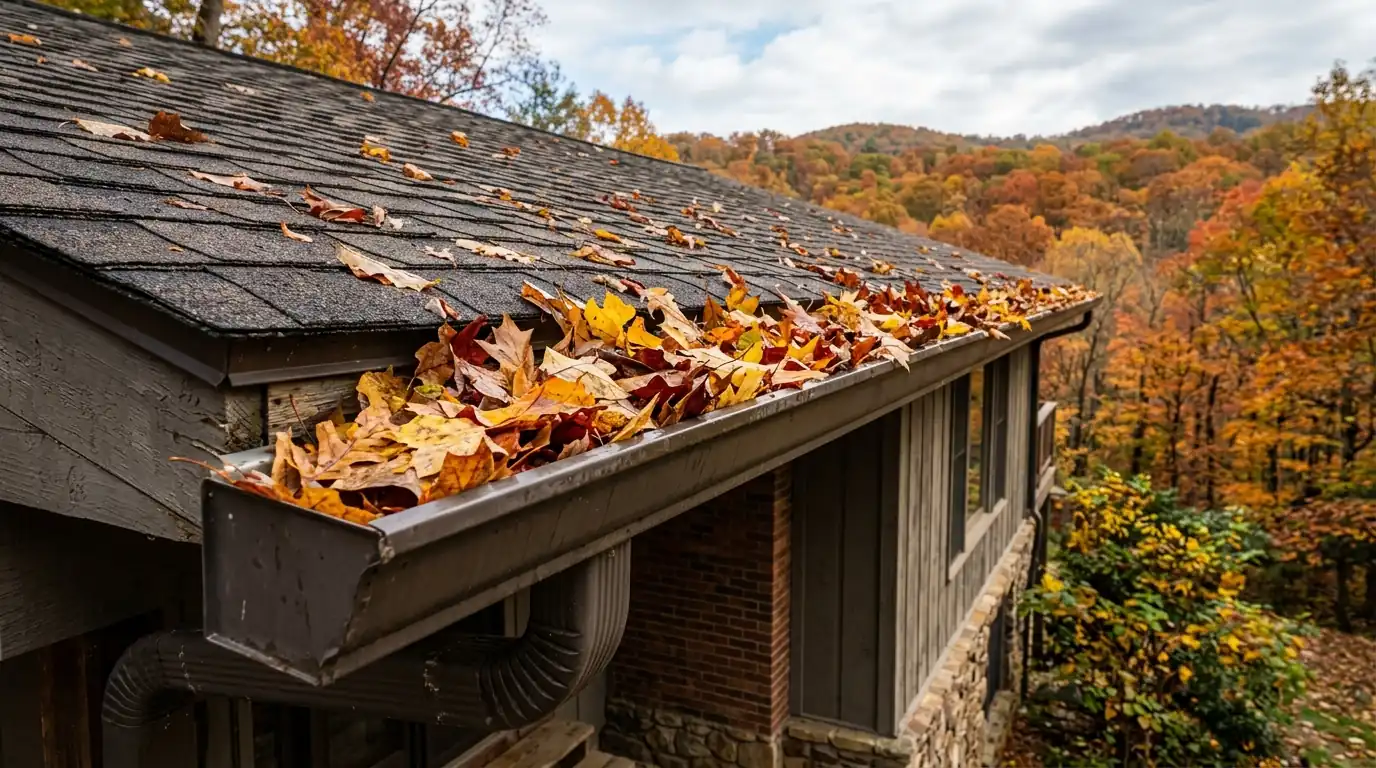
Drain filled up rather than blocked?
Silt fills a system from the outlet backward, which is why cleanouts stop being optional here.
Why Jefferson City homeowners call us back
Sediment designed for, not ignored
Silt fills gradually and invisibly rather than blocking.
Cleanouts treated as essential
A silted line without access can only be excavated.
Surface solutions preferred where sensible
A swale silts too, but you can see it and clear it.
Jefferson City gutter questions
Because the runoff carries field sediment. Silt fills a system gradually from the lowest point upward instead of blocking at a restriction.
They stop being optional. Without access points a silted line can only be dealt with by excavation.
Often here, which is the reverse of the usual advice. A swale silts too, but you can see it and clearing it is a morning rather than a dig.
After cultivation, when bare soil is exposed. Runoff then carries far more material than the same rainfall over established cover.
Better not. Mixing clean leader discharge into a system dealing with field sediment gives the silt more to travel with.
Arrange a Jefferson City survey
Tell us what is farmed behind you and whether the drainage is filling rather than blocking.