Gutter Maintenance Plans in Knoxville, TN
A plan replaces the annual panic with a schedule. The interval comes from what actually falls on your roof rather than from a standard package.
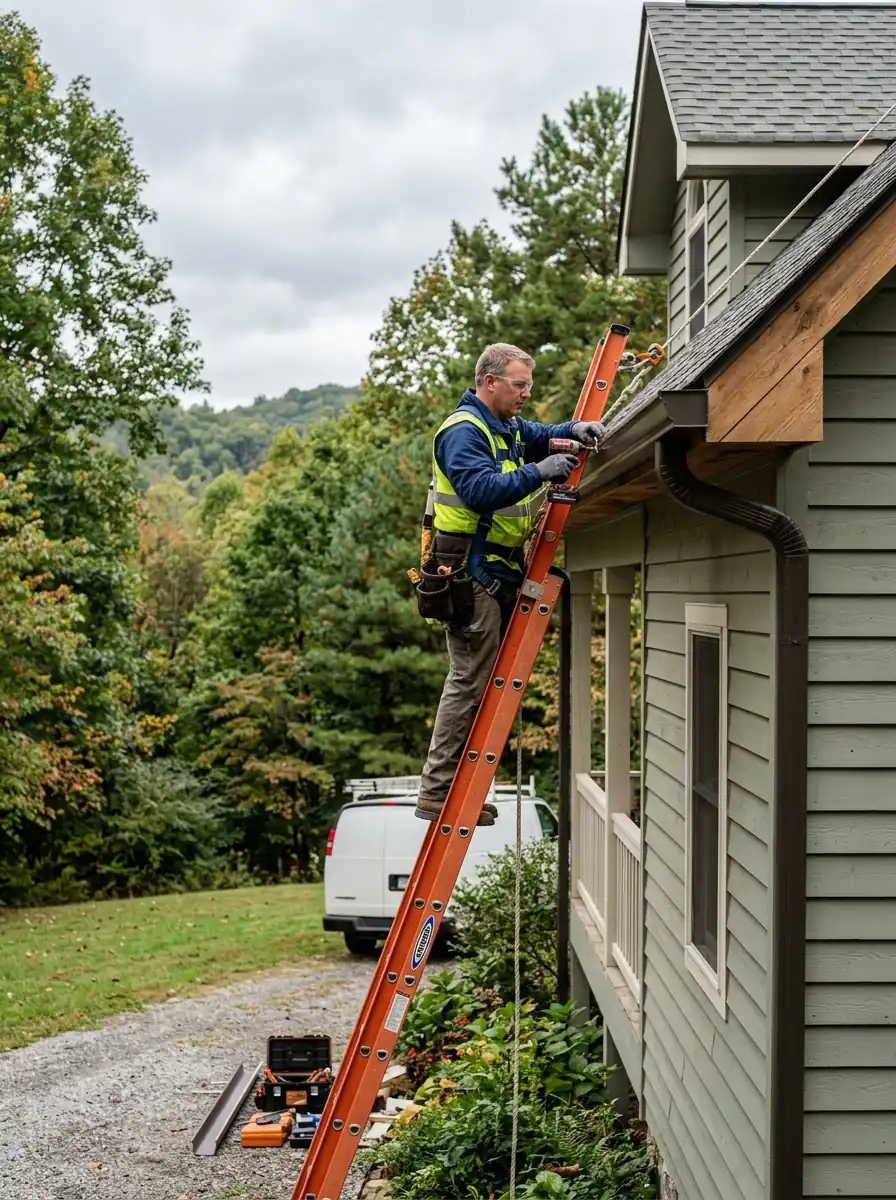
What a maintenance plan covers
Scheduled visits that clear every run, prove every outlet with water, and inspect fall, hangers, joints and fascia while the trough is empty. You get written findings each time, so problems are caught while they are still cheap. The interval is set from the tree cover over your roof, which is why it varies from twice a year to four times.
Setting the right interval
Open ground with little tree cover often manages on two visits a year, timed after spring tassel drop and after the autumn leaf fall.
Mixed hardwood cover usually needs three. The autumn drop here runs late into November, so a single autumn visit is nearly always too early.
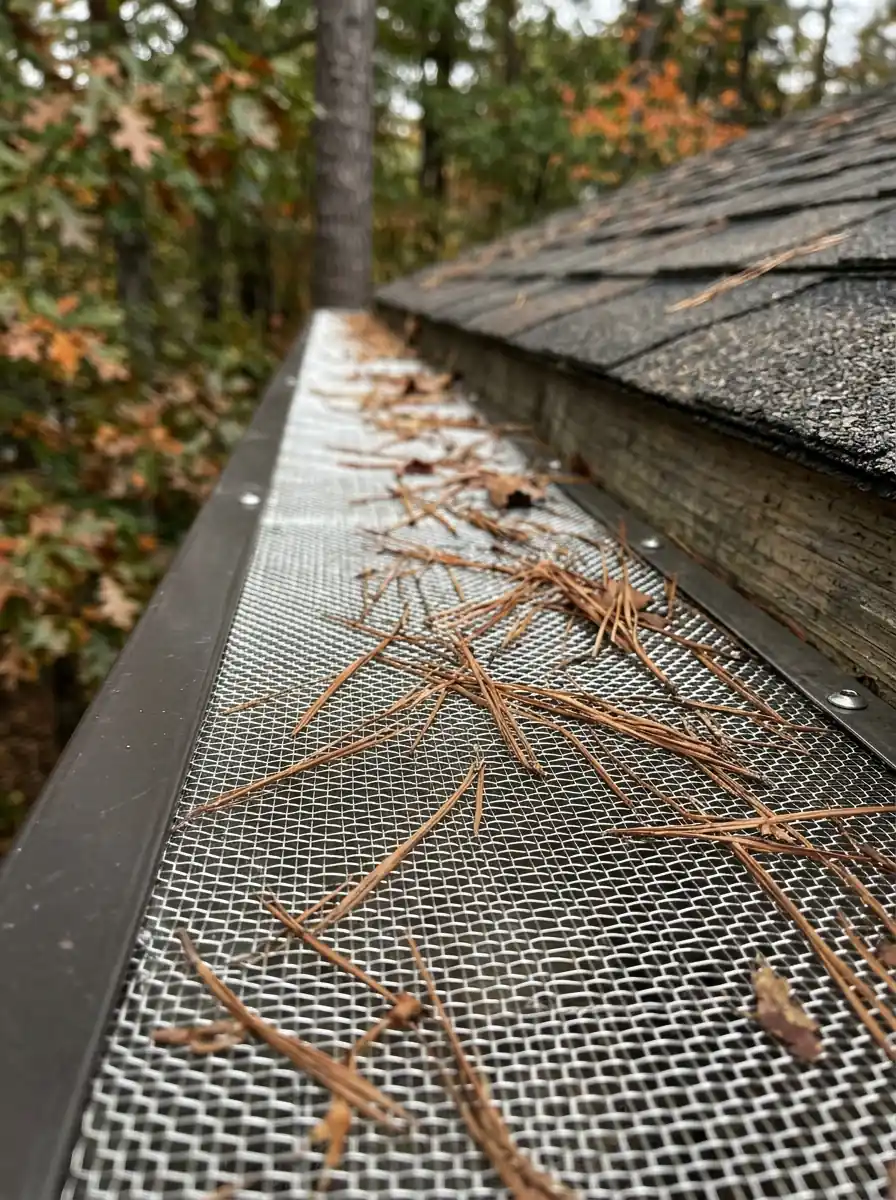
Heavy pine or hemlock cover needs four, because needles fall year round rather than in a season. The first visit tells us which category you are in.
What a plan gives you
Problems found while cheap
A lost pitch caught early is a repair, not a replacement.
No annual scramble
Visits are scheduled rather than triggered by overflow.
Predictable cost
A known annual figure instead of unpredictable rescue calls.
Fascia tracked over time
The expensive component watched rather than discovered.
Written record
Useful for a sale, an insurer or simply knowing where you stand.
Interval that fits your trees
Rather than a standard package that fits nobody.
The system reaches its full life
Runs cleared on schedule fail at the end of their life rather than early.
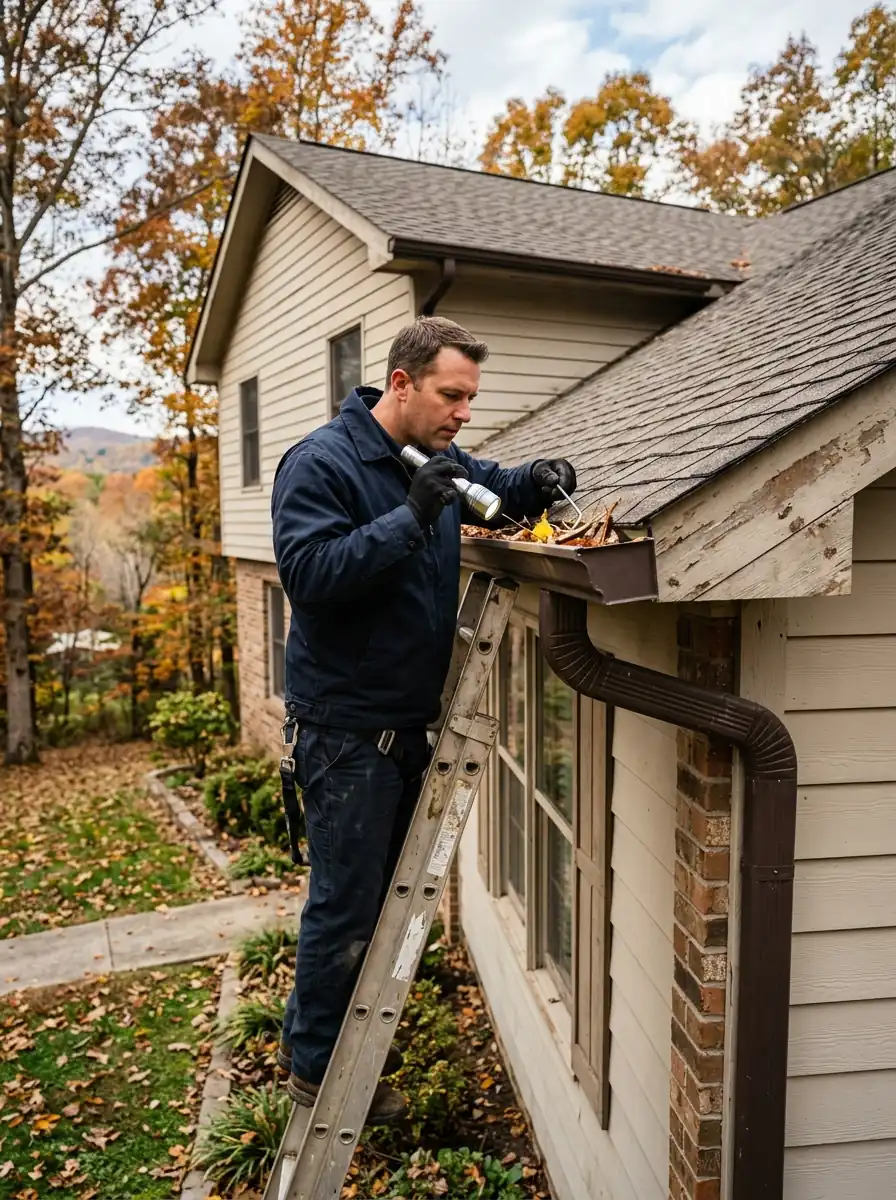
Why the inspection matters as much as the clearing
Clearing is the visible half. It stops the immediate overflow and it removes the weight that bends fasteners, and on its own that is worth having.
The inspection is the half that saves money. With the trough empty, lost fall, backing hangers, opening miters and softening fascia are all visible, and every one of them is cheap to fix at that stage and expensive later.
That is the real argument for a plan over ad hoc cleanings. Somebody is looking at the system on a schedule and telling you what is changing, rather than reacting to whatever finally overflowed.
What each scheduled visit covers
- Every run cleared by hand along the full length
- Outlets and leaders proved with water on every visit
- Fall checked for standing water while the trough is empty
- Hangers, joints and end caps inspected
- Fascia and soffit condition tracked visit by visit
- Valleys and their transitions cleared and checked
- Written findings supplied after each visit, with anything urgent flagged
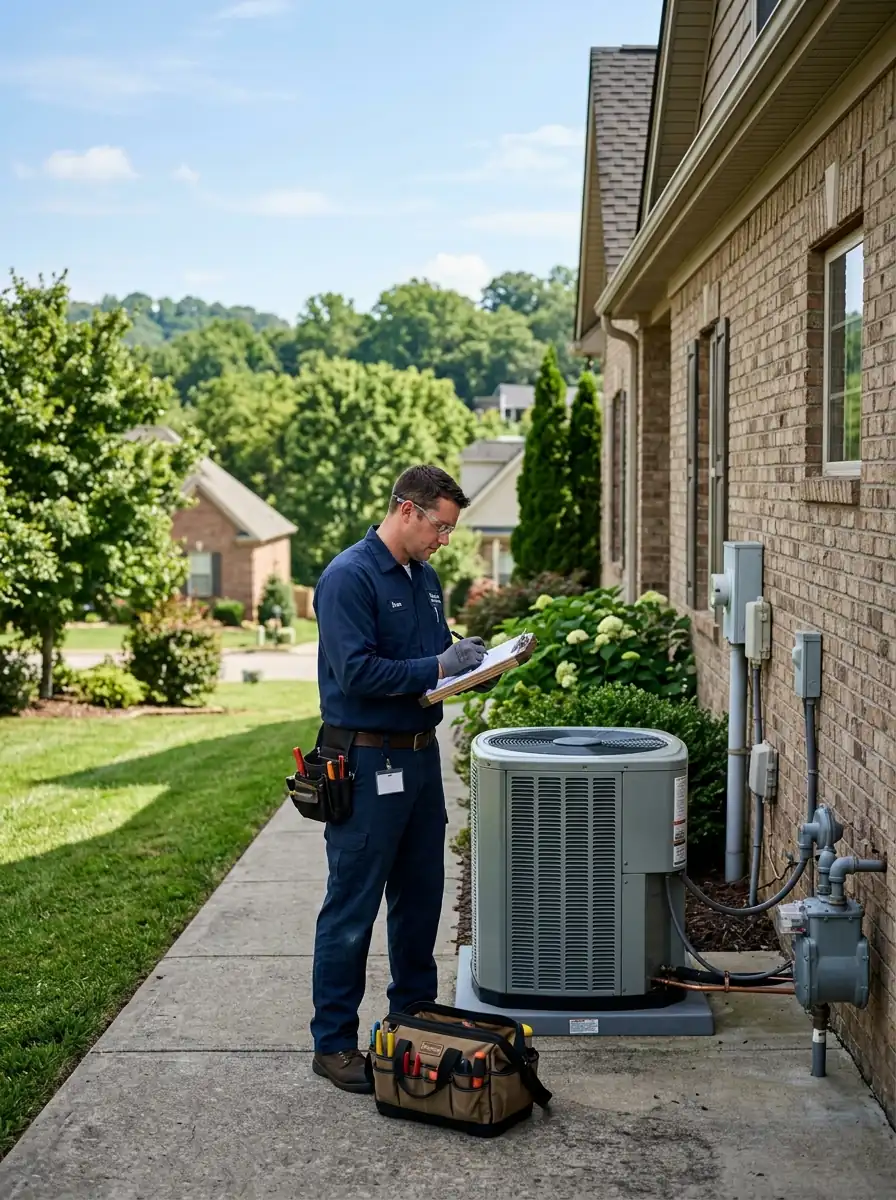
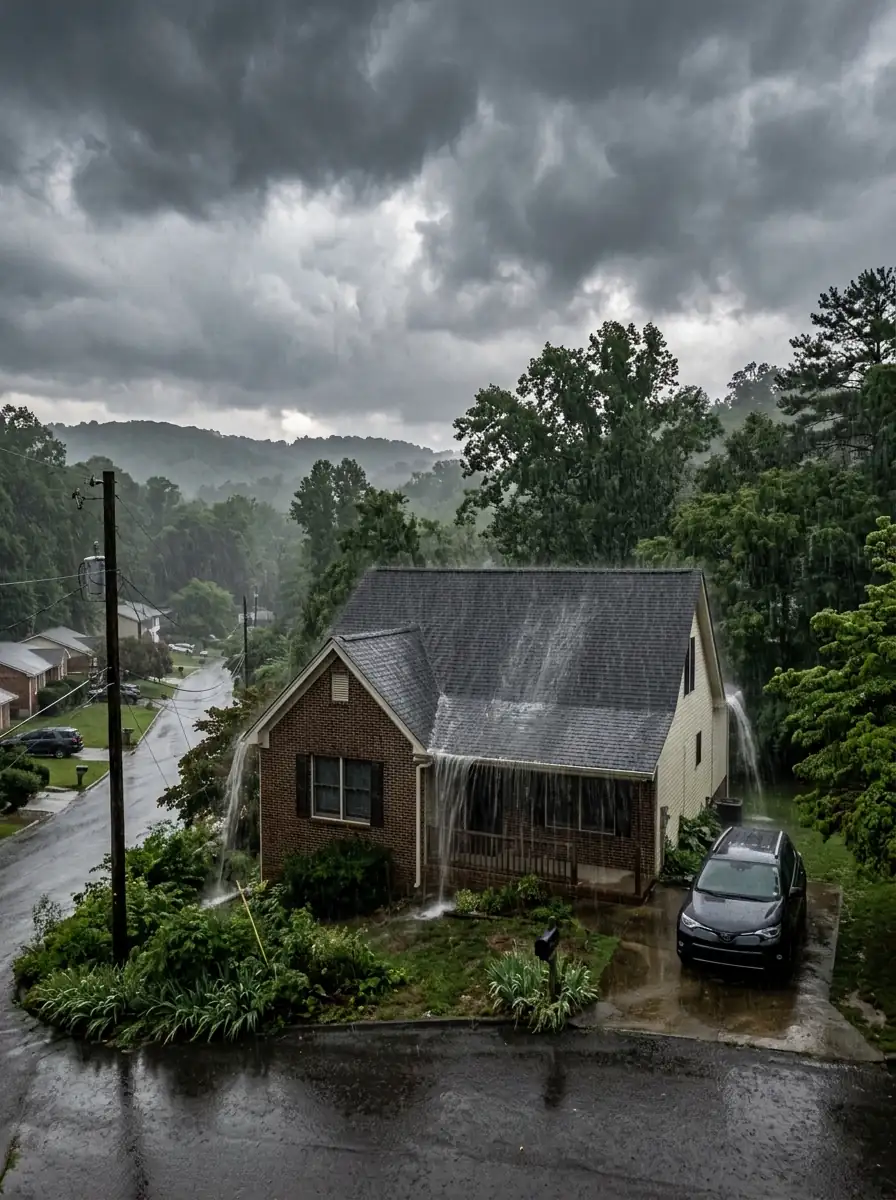
Want the condition established first?
A one off inspection tells you what you are starting from before committing to a schedule.
Signs you would benefit from a plan
Heavy tree cover over the roof
The single strongest indicator that a schedule helps.
You have forgotten more than once
Most people do, and the gutter pays for it.
A two or three story house
Ladder work you would rather not be doing yourself.
Repeated repairs in recent years
A pattern that scheduled inspection would have caught.
A rental or second property
Nobody is watching the roof edge between tenancies.
Guards already fitted
Guards need inspection rather than cleaning, and they still need it.
A recent replacement
Protecting a new system is the cheapest maintenance there is.
What a maintenance plan depends on
Size of the house
Roof edge length is the main driver.
Number of stories
Upper elevations take longer to stage on every visit.
Visits per year
Two, three or four depending on the tree cover.
Debris load
Heavy canopy means more time per visit, not just more visits.
Guards fitted
Guards that must be removed and refitted add time each time.
Roof complexity
Valleys and multiple planes add checking points.
Commercial or residential
Parapets and internal drainage are a different scope.
Residential plans commonly plan at $290 to $760 per year depending on size, height and visit count. Commercial plans are quoted after a survey. Planning ranges rather than quotes.
How a plan is set up and run
A first visit is booked
Clearing and a full inspection to establish the condition.
The interval is recommended
Two, three or four visits based on what came out of the trough.
A schedule is agreed
Timed around the spring drop and the late autumn fall.
Visits run to schedule
You are told when, rather than having to remember.
Each visit clears and inspects
Both halves, every time.
Findings are reported
In writing, with anything urgent flagged immediately.
The interval is reviewed
After the first year, adjusted to what actually happened.
Calling when it overflows against a schedule
| What it involves | Doing it yourself | Bringing us in |
|---|---|---|
| When problems surface | When water is already overflowing | At a scheduled inspection, while still small |
| What it costs over five years | Repeated rescue cleanings plus repairs | A predictable annual figure |
| Records | Nothing beyond invoices | Written findings and photographs each visit |
| Fascia condition | Discovered when a hanger pulls out | Tracked visit by visit while it is still board |
How long a scheduled visit takes
A scheduled visit on a single story house is usually ninety minutes including the inspection and the write up.
Two story houses with a full wrap take most of a morning.
Visits get quicker after the first year, because a system kept on schedule never reaches the packed state that makes clearing slow.
Knoxville tree cover and visit intervals
Timing is the local specific. The autumn hardwood drop here runs late into November, so an October visit is almost always too early and needs a follow up.
Spring matters more than people expect. Oak tassels in April and May block outlets more effectively than whole leaves do, and a spring visit is not optional under oak.
Pine and hemlock cover changes the whole schedule. Homes off Martin Mill Pike, in Mount Olive and on the wooded lots near Northshore shed needles year round and sit at the four visit end.
Where we take gutter maintenance plans calls
Gutter Maintenance Plans is available across these Knoxville area ZIP codes and the towns around them.
- Bearden (37919)
- West Hills (37909)
- Fountain City (37918)
- Sequoyah Hills (37919)
- Cedar Bluff (37923)
- Hardin Valley (37932)
- Karns (37931)
- Halls Crossroads (37938)
- Powell (37849)
- South Haven (37920)
- Downtown Knoxville (37902)
- Holston Hills (37914)
- Rocky Hill (37919)
- Inskip (37912)
- Farragut (37934)
- Maryville (37804)
- Oak Ridge (37830)
- Alcoa (37701)
How we run a plan
Interval set from your trees
Not from a standard package that suits nobody in particular.
Inspection every visit
The clearing stops overflow; the inspection saves money.
Findings in writing
So you can act on them or file them rather than remember a conversation.
Interval reviewed after a year
Adjusted to what actually came out of the trough.
Plan questions from Knox County
Two on open ground, three under mixed hardwood, four under heavy pine. The first visit establishes which you are.
Clearing every run, proving every outlet with water, and inspecting fall, hangers, joints and fascia. Written findings follow each time.
You need inspection rather than clearing, but you still need it. Guards reduce the work, they do not remove the need to look.
Yes, and we review it after the first year against what actually came out of the trough.
Yes, with a different scope. Parapets, scuppers and internal box gutters are surveyed rather than an open eave.
You hear immediately rather than at the end of the year, with the reason and what it would take to fix.
No. The plan covers clearing and inspection. Repairs are quoted separately so you decide each one on its merits.
Not usually, provided access is available. The written findings mean nothing depends on a conversation at the door.
Work that plans often catch early
Gutter Cleaning Service
The one off version of the clearing half.
Gutter Inspection Service
Establishing the condition before committing to a schedule.
Roof Debris & Leaf Removal
Roof and valley debris cleared alongside the trough.
Gutter Guard Installation
Reducing the visit count by keeping the load out.
Commercial Gutter Services
The commercial equivalent with parapets and internal drainage.
Set up a schedule that fits your trees
Tell us what stands over the roof and we will start with a full visit and recommend the interval from what we find.